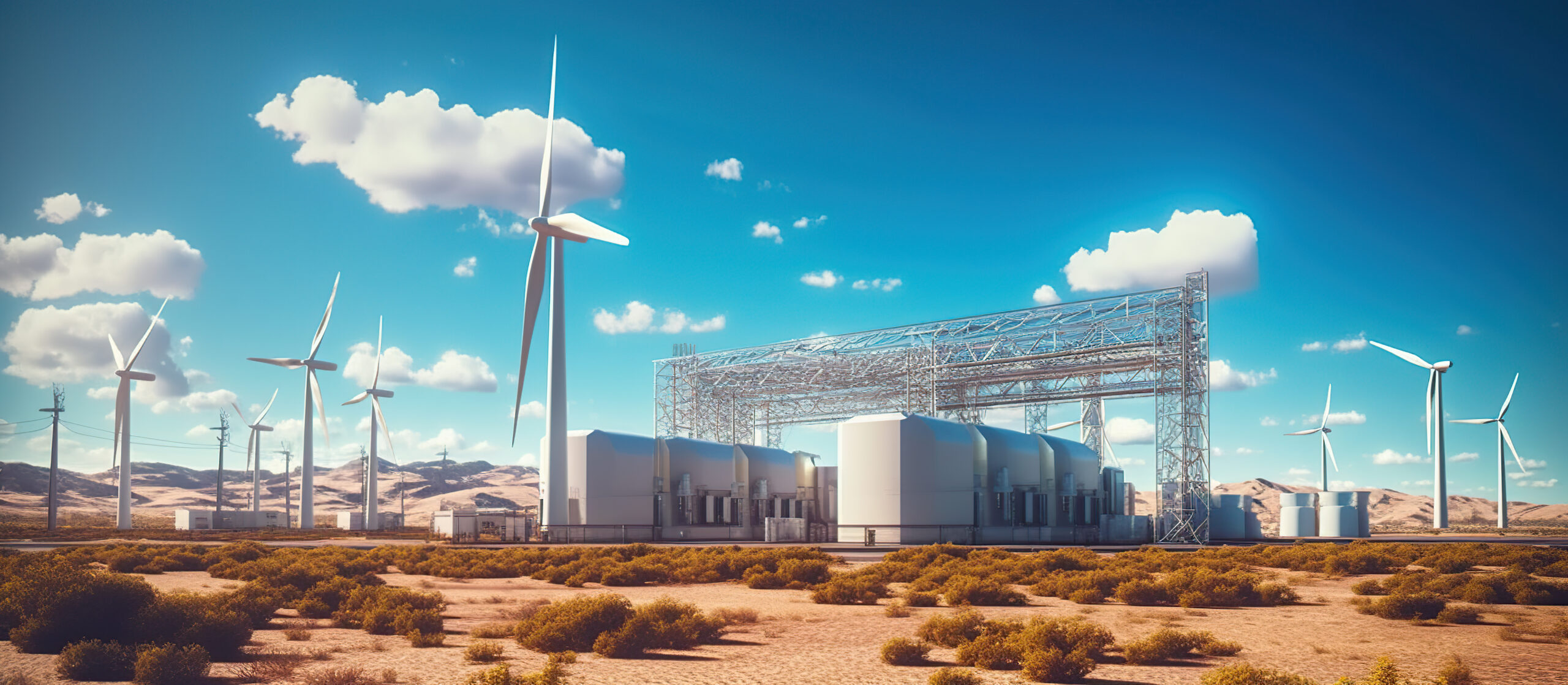
The commercial and industrial (C&I) sector plays a pivotal role in the global energy ecosystem. With energy costs on the rise and sustainability becoming a strategic priority, businesses are increasingly exploring innovative ways to manage their energy use effectively and reduce their carbon footprint. This guide outlines what C&I energy solutions are and how they can transform energy management for businesses.
What are C&I energy solutions?
C&I energy solutions encompass technologies and strategies designed to optimize energy use for commercial and industrial enterprises. These solutions address key challenges such as high energy costs, reliability of supply, and environmental sustainability. They typically include:
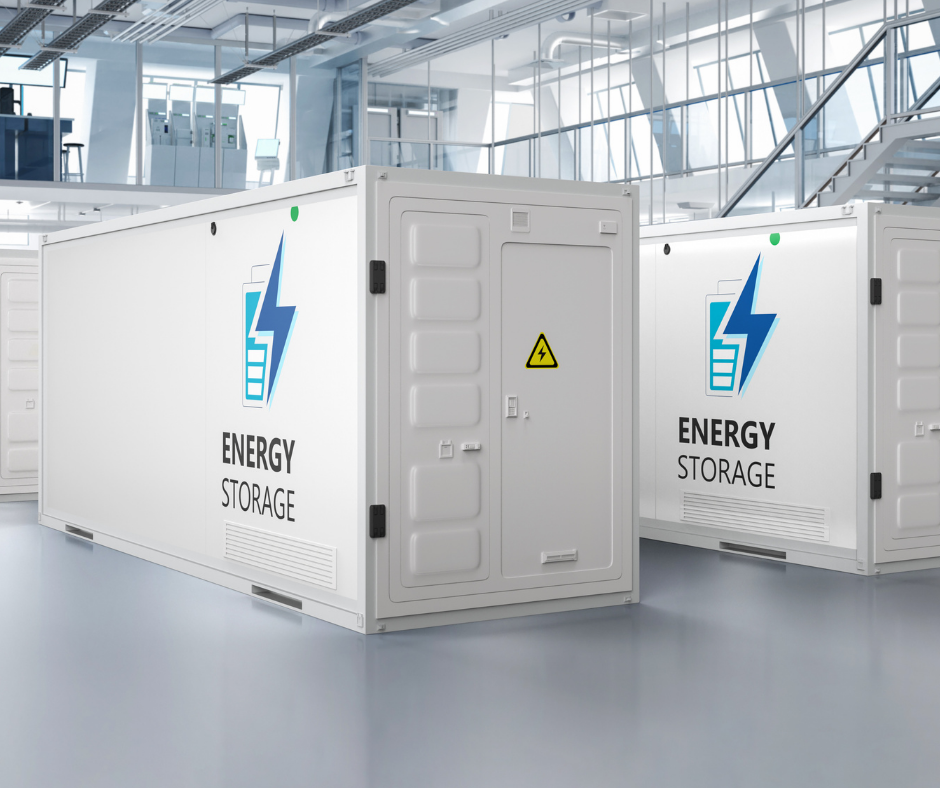
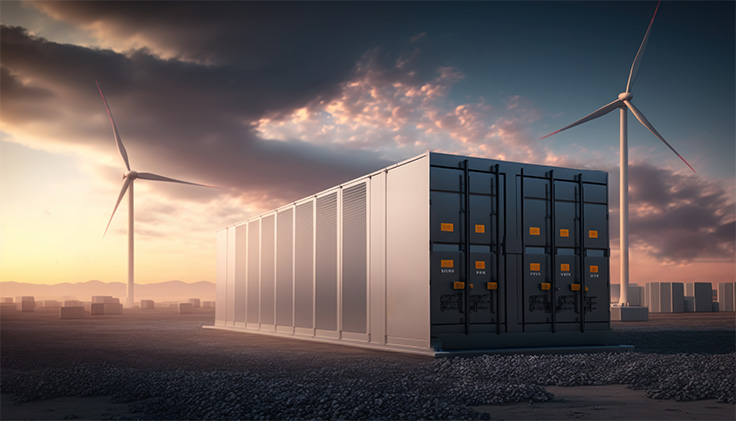
- Energy storage systems (ESS): Allow businesses to store excess energy for later use, enhancing reliability and reducing dependency on the grid.
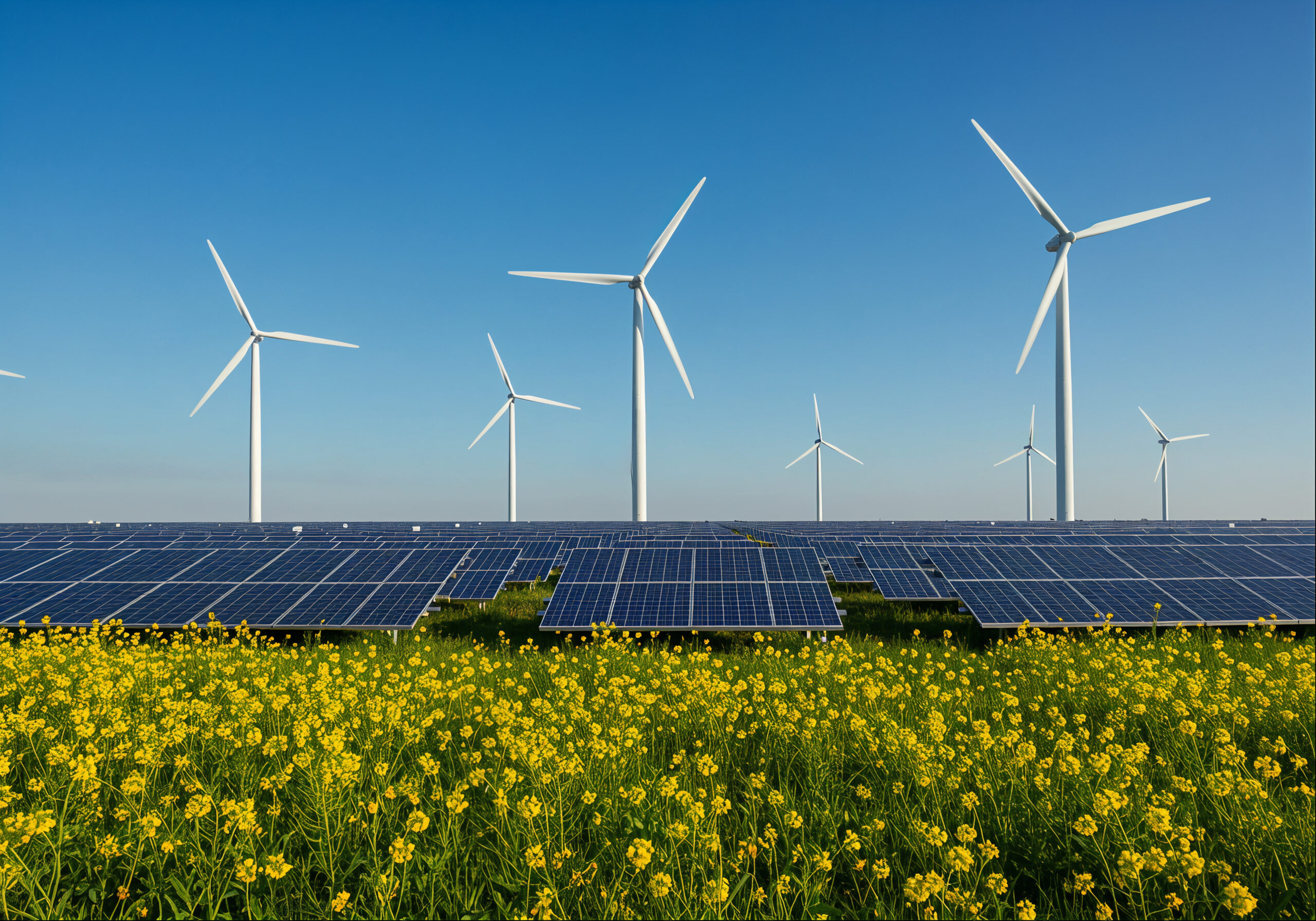
- Renewable energy integration: Solar and wind energy systems provide sustainable and cost-effective energy sources tailored for business needs.
- Energy efficiency measures: Technologies like smart meters, energy-efficient lighting, and automated systems help reduce overall energy consumption.
- Demand-side management: Strategies to shift or reduce energy use during peak demand periods, minimizing costs and easing grid pressure.
Key benefits of C&I energy solutions
- Cost savings: Lower operational costs through optimized energy use and renewable energy adoption.
- Energy independence: Reduced reliance on grid power mitigates risks of outages and fluctuating energy prices.
- Sustainability: Meeting corporate social responsibility (CSR) goals and regulatory requirements through reduced carbon emissions.
- Operational resilience: Enhanced energy reliability ensures uninterrupted business operations.
Applications in various industries
C&I energy solutions are versatile and applicable across numerous sectors:
- Manufacturing: Powering energy-intensive processes with renewable energy while maintaining consistent supply through ESS.
- Retail and commercial spaces: Reducing overhead costs with energy-efficient systems and onsite renewable installations.
- Logistics and warehousing: Supporting electrification of fleets and managing energy use effectively.
Implementing C&I energy solutions
Transitioning to smarter energy management begins with understanding your energy needs and exploring the right solutions. Here are steps to consider:
- Energy audit: Assess your current energy use to identify inefficiencies and opportunities for improvement.
- Consult with experts: Partner with energy solution providers to design and implement a tailored plan.
- Invest in renewable energy: Integrate solar or wind energy systems to meet a significant portion of your energy demands.
- Adopt energy storage: Use ESS to manage peak loads and ensure power reliability.
- Monitor and optimize: Use energy management software to continuously track and optimize energy performance.
The role of solution providers
Solution providers play a critical role in helping businesses navigate the complexities of energy management. For instance, companies like KSTAR offer advanced energy storage systems and solar integration solutions tailored to the needs of modern enterprises. Their products ensure safety, efficiency, and scalability, making them suitable for businesses of all sizes.
- Explore energy storage solutions that can reduce costs and enhance reliability.
- Transition to renewable energy with high-performance solar systems customized to your business requirements.
- Consult energy specialists to design a strategy that meets your unique needs and sustainability goals.
C&I energy solutions are not just about reducing costs; they are about future-proofing your business against energy challenges while contributing to a sustainable future. Take the first step today by exploring how these technologies can transform your operations.