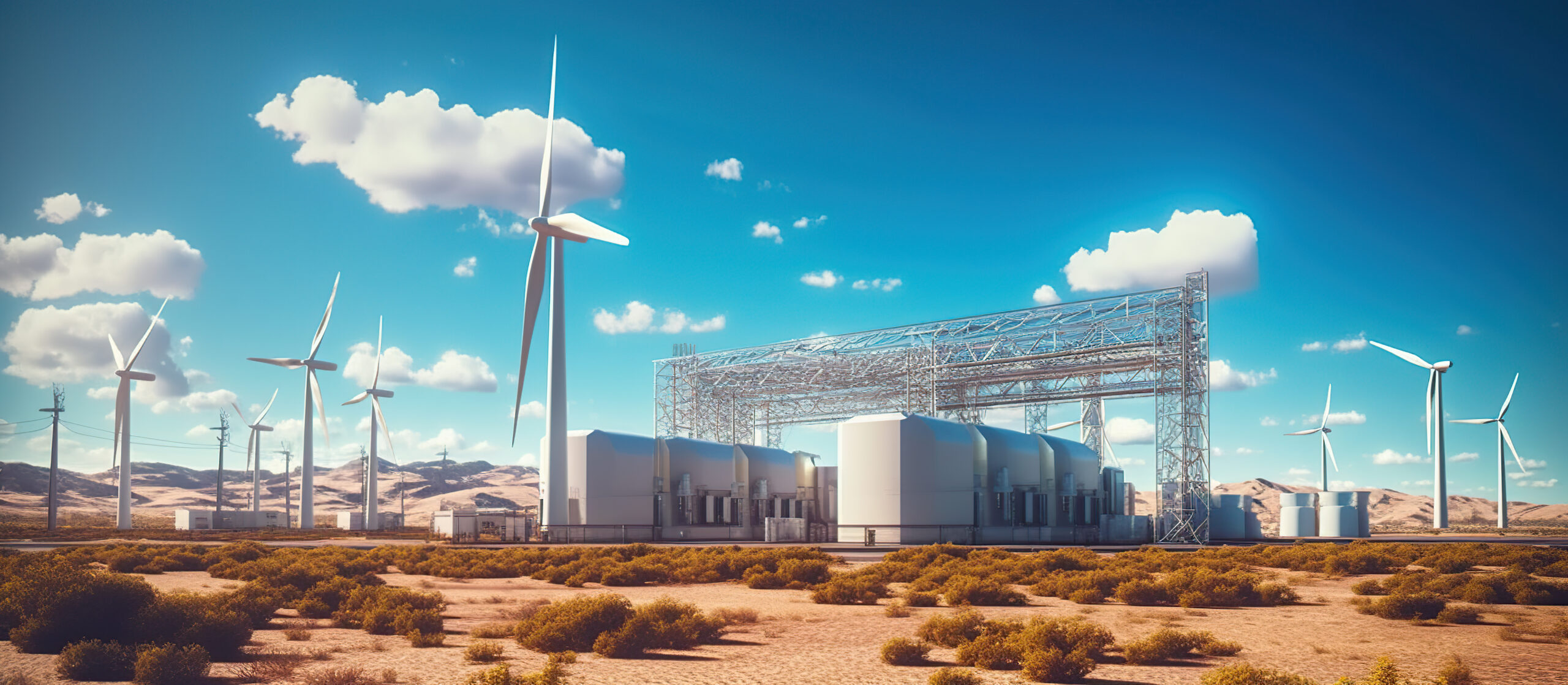
Today’s customers are more conscious than ever about the impact of their purchases. They don’t just care about the quality or price of a product—they also look at how the company behind it operates. More and more people are choosing brands that are environmentally friendly and aligned with sustainable values. If your business wants to stand out, switching to renewable energy can be a smart and forward-thinking step.
Technologies like solar panels, energy storage systems, and smart inverters are no longer just for large corporations or eco startups. They are now accessible to businesses of all sizes and can bring real, measurable benefits—not only to the environment but also to your company’s reputation, stability, and bottom line.
Customers trust sustainable brands
Being environmentally responsible is not just a trend—it’s becoming an expectation. Clients, whether individuals or businesses, want to know that the companies they work with are doing their part to protect the planet. When your brand is powered by clean energy and takes real action to reduce its carbon footprint, it builds trust and shows that you care about more than just profits.
A visible commitment to sustainability sends a strong message. It shows that your company is modern, responsible, and aligned with global values. This can strengthen customer loyalty, attract new business partners, and improve your public image.
Renewable energy can reduce your operating costs
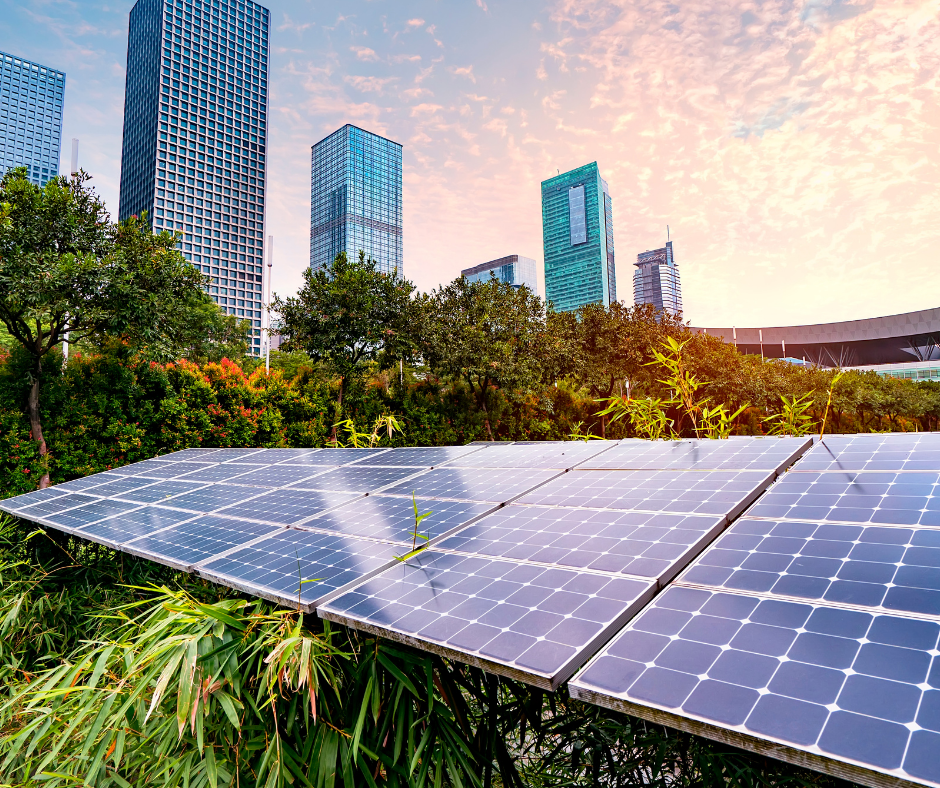
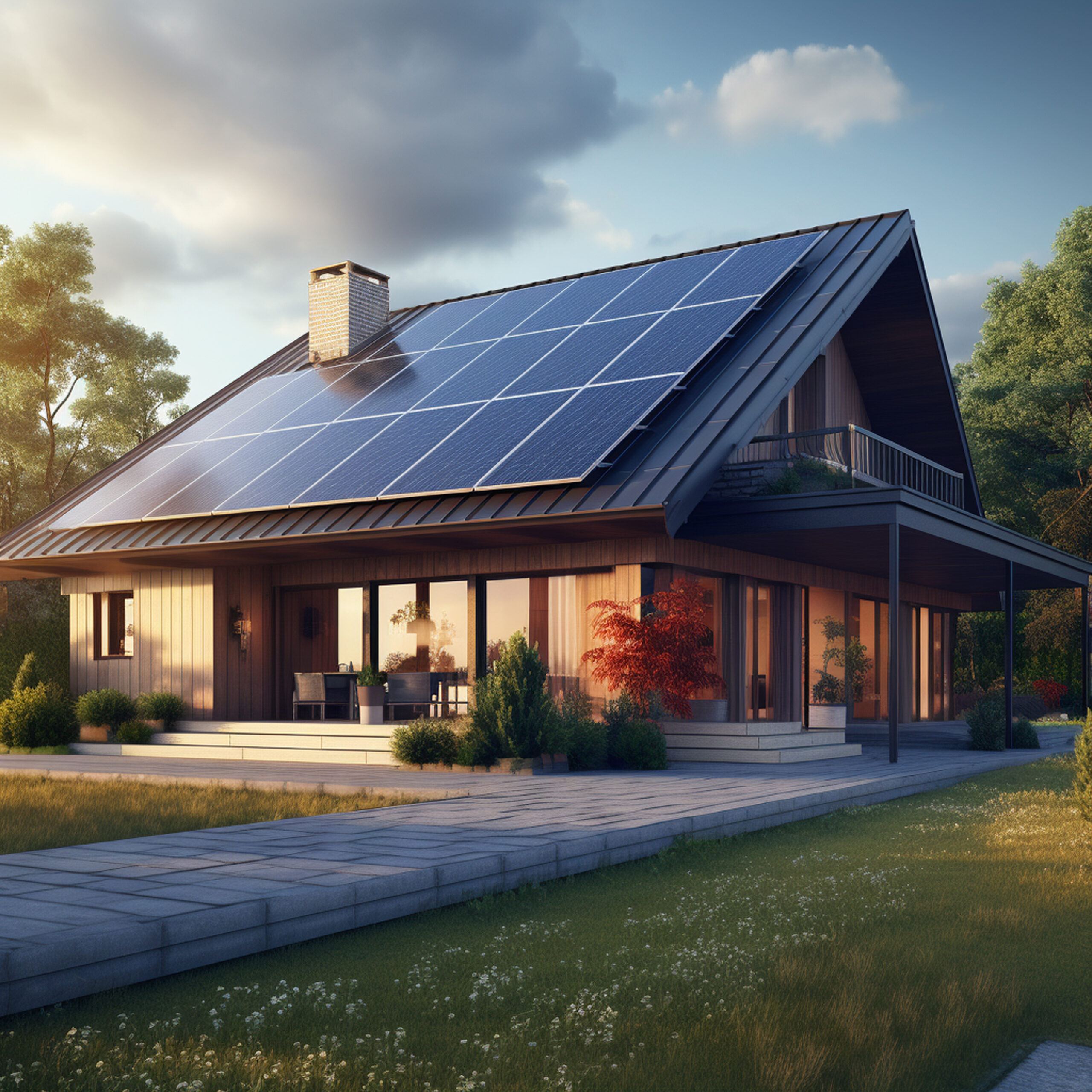
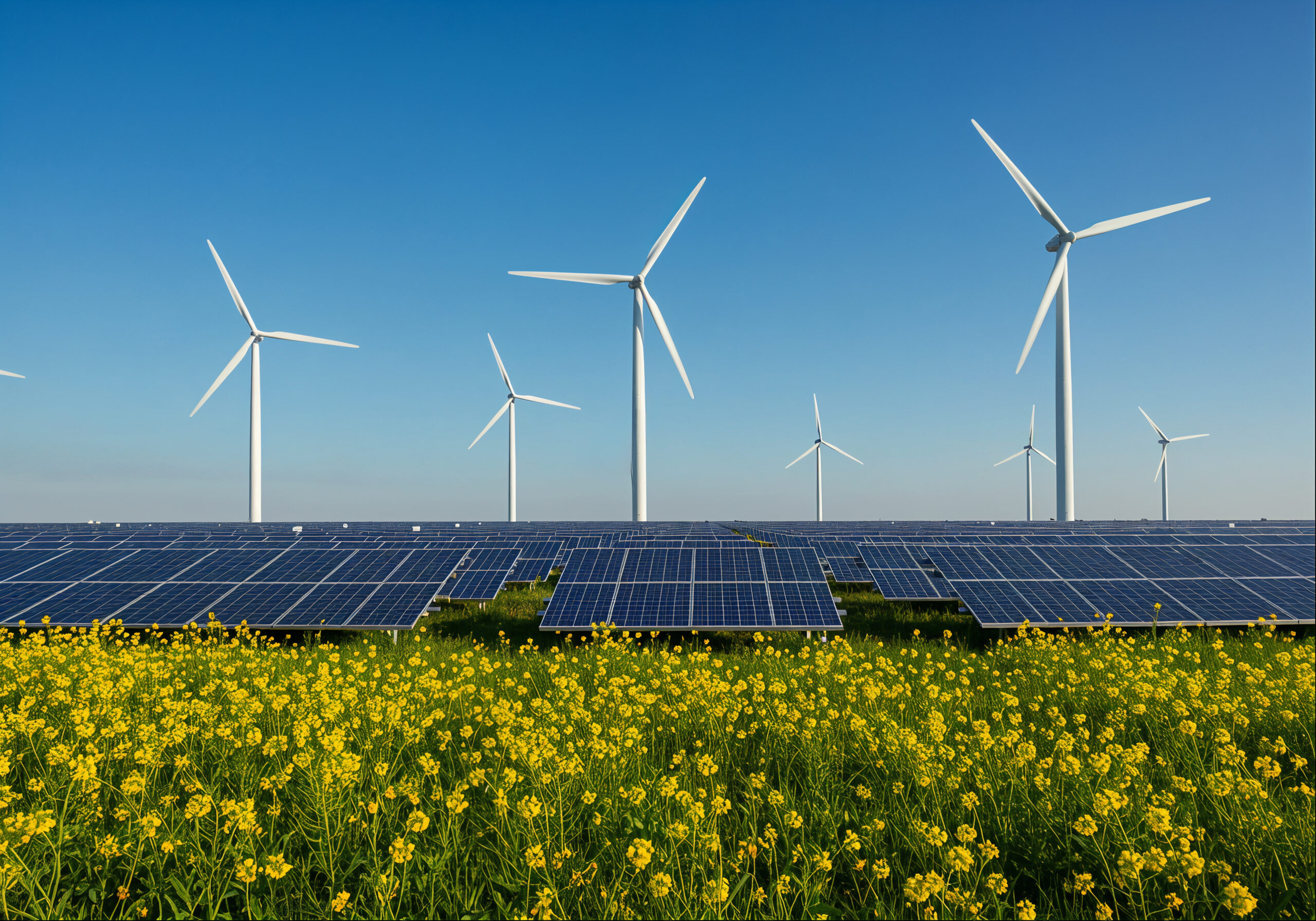
One of the most practical reasons to consider renewable energy is the financial benefit. Installing photovoltaic (PV) panels on your company’s roof allows you to produce your own electricity and depend less on external energy providers. Over time, this can lead to significant savings on energy bills.
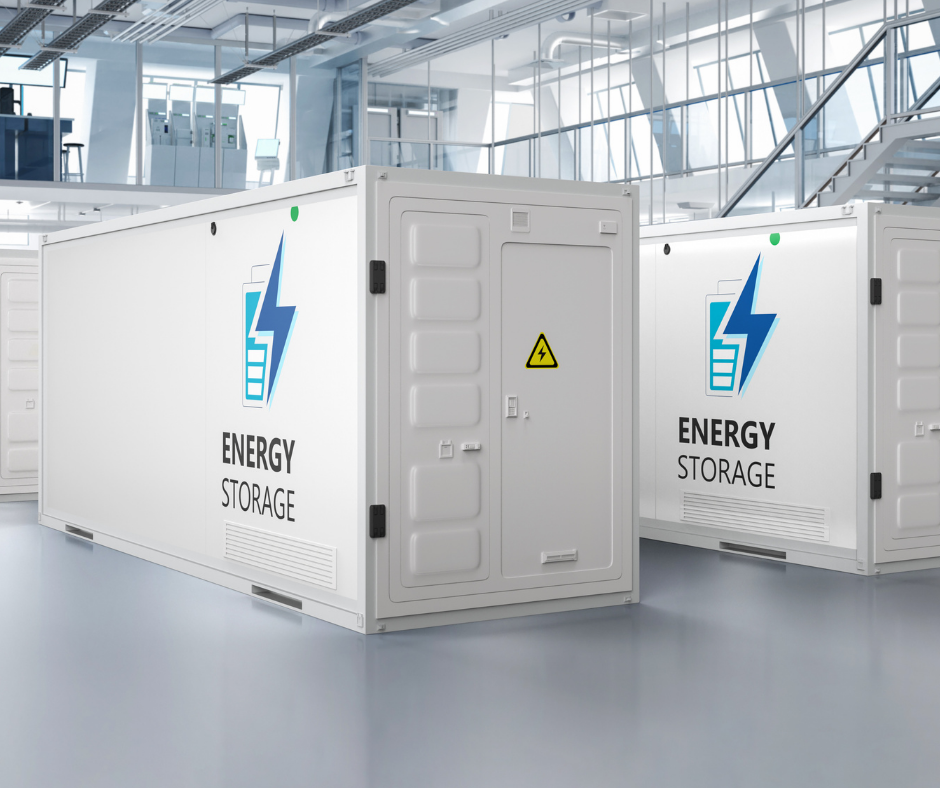
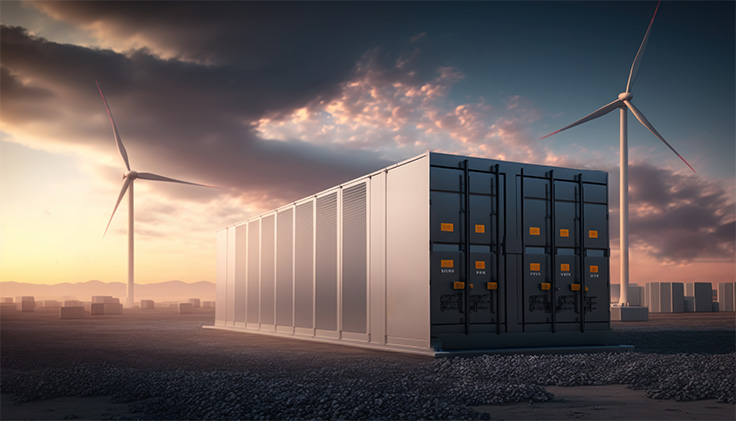
When combined with a battery storage system, you can store energy when it’s cheapest—such as during off-peak hours or sunny days—and use it later when demand (and prices) are higher. This helps to better control your energy use, avoid high tariffs, and protect your business from market fluctuations. As energy prices continue to rise, this kind of setup becomes even more valuable.
Stay resilient during power outages
Energy security is becoming increasingly important. Power outages, whether caused by weather events, overloads, or grid failures, can disrupt business operations and cause serious losses. With a combination of solar panels and battery storage, your company can keep running even when the grid goes down.
Having backup energy available means your most important equipment—like servers, machines, or lighting—can continue working without interruption. This is especially important for companies that rely on continuous processes or serve customers 24/7. In short, renewable energy isn’t just green—it’s also reliable.
Be ready for what’s next
Switching to renewable energy also prepares your business for the future. Many companies are already facing new regulations or customer requirements related to sustainability. Governments and institutions are offering incentives or grants for green investments, and many large corporations are selecting suppliers based on their environmental performance.
By investing in clean energy now, your company can position itself ahead of the curve. You’ll be better prepared for future rules, more attractive to partners and clients, and more likely to win tenders or contracts that require sustainable practices. Plus, modern energy systems are scalable—meaning you can expand them as your company grows and your energy needs change.
Conclusion: Clean energy is smart business
Switching to renewable energy is no longer just an environmental decision. It’s a smart business strategy that can help your company save money, improve reliability, and strengthen your brand. Whether it’s through solar panels, energy storage systems, or smart inverters, investing in clean energy sends a powerful message: your business is responsible, future-ready, and committed to making a positive impact.
In a world where sustainability matters more every day, clean energy gives your company a competitive edge—today and tomorrow.