The growing popularity of home energy storage systems in Europe
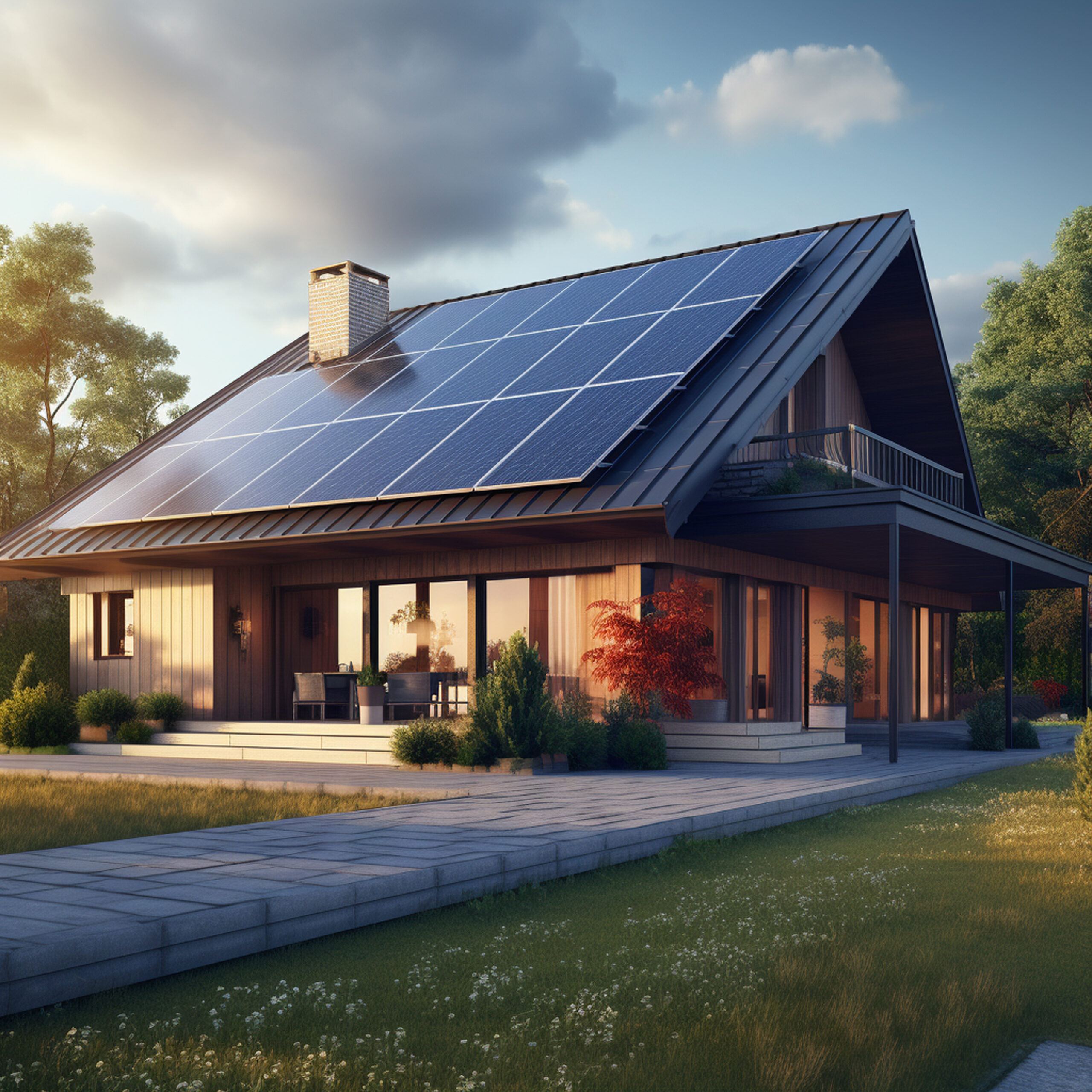
In recent years, Central and Southern Europe have witnessed a dramatic increase in interest and adoption of home energy storage systems. With rising energy costs, a growing emphasis on sustainability, and the need for energy independence, more European households are turning to solutions that allow them to generate, store, and utilize their own power.
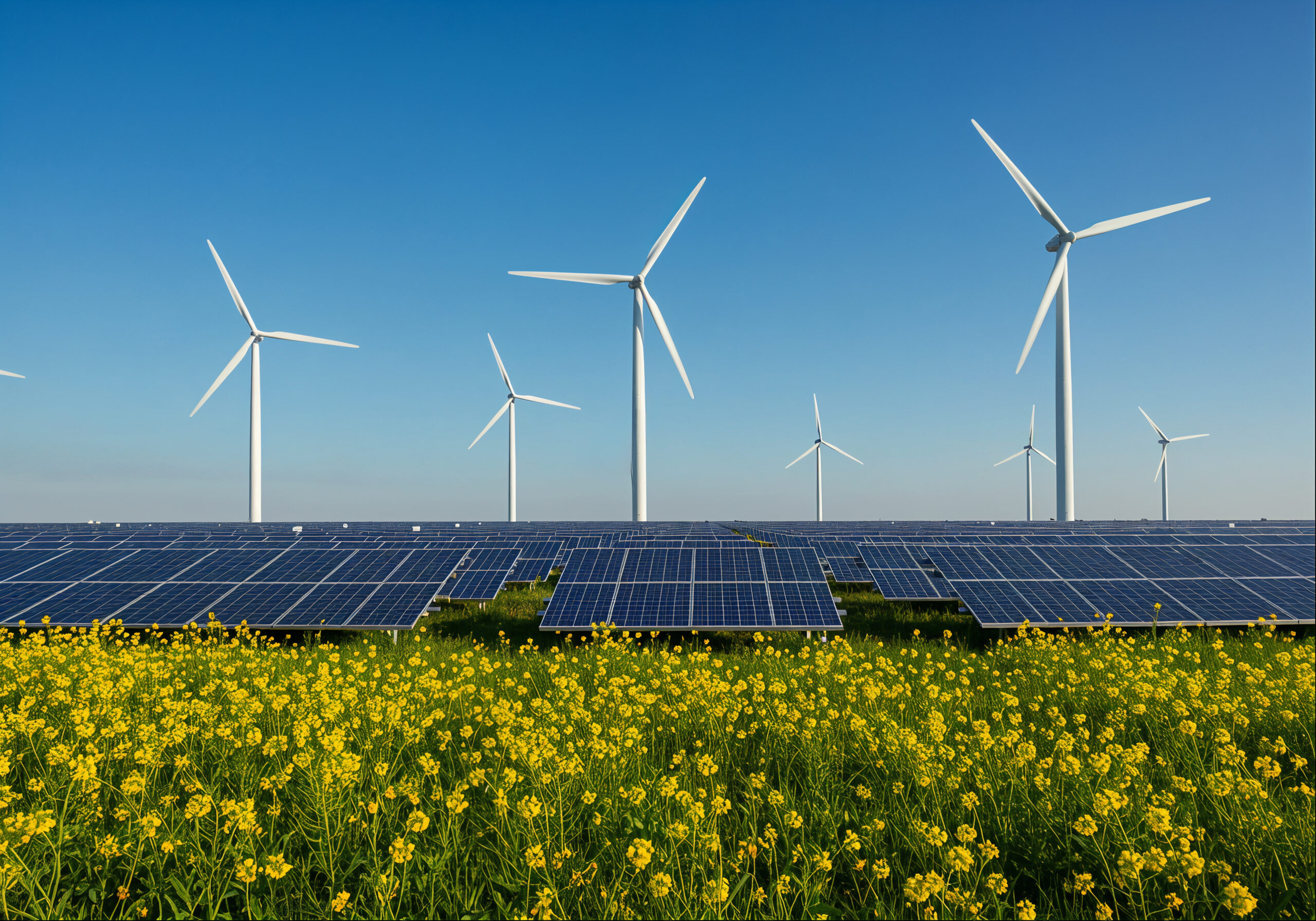
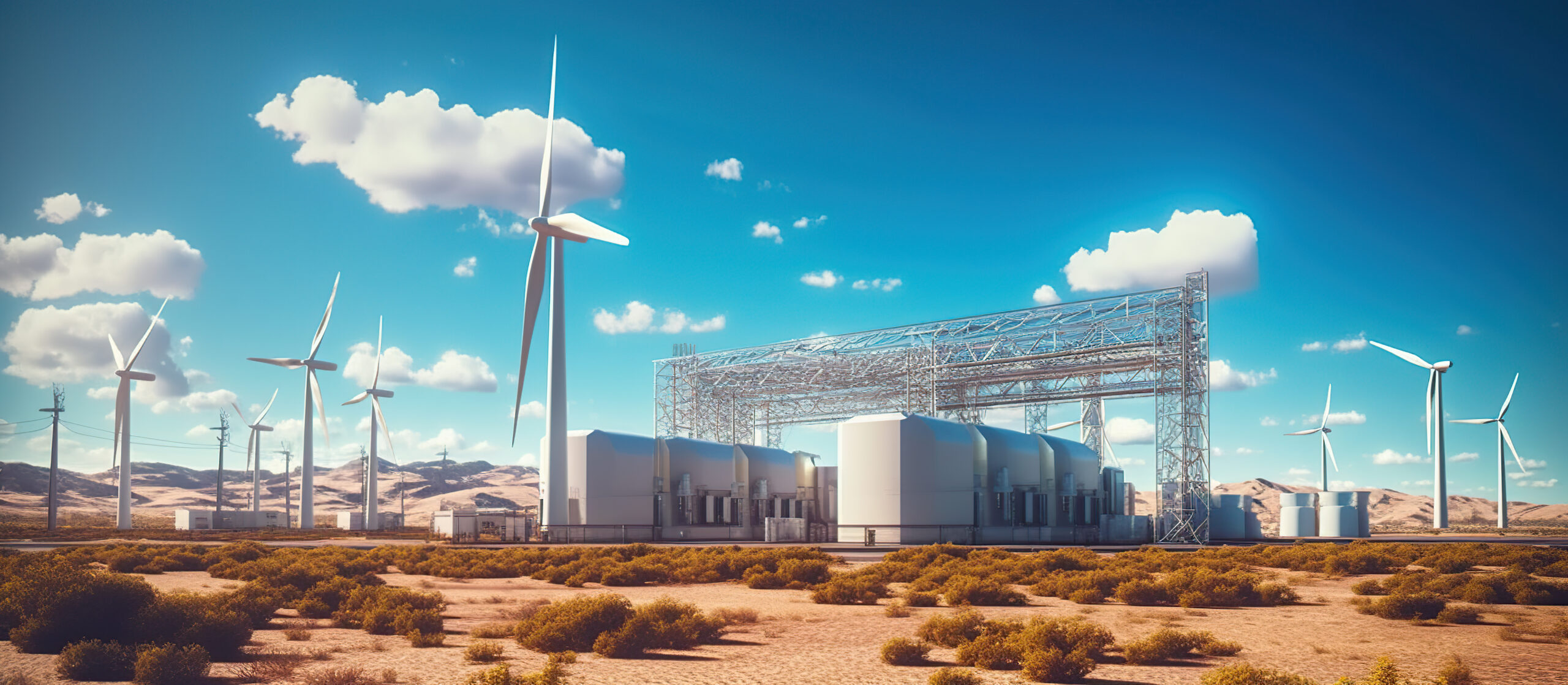
The shift towards renewable energy sources, such as solar and wind, has accelerated the demand for advanced technologies like hybrid inverters paired with energy storage systems. These solutions allow homeowners to optimize their energy consumption, reduce reliance on national grids, and even contribute to the stability of energy networks. Countries such as Germany, Spain, Italy, and France are leading the charge, setting the standard for energy independence in Europe.
Why are home energy storage systems on the rise?
The growing popularity of energy storage systems stems from several key factors:
- Rising energy costs
Across Europe, energy prices have surged significantly in recent years, prompting consumers to seek alternatives that reduce their monthly bills. Home energy storage systems allow households to store excess power generated during the day (often from solar panels) and use it during peak hours when grid electricity is most expensive. This flexibility can lead to substantial long-term savings. - Energy independence and grid stability
Energy independence is a major concern, particularly in the face of energy supply disruptions and geopolitical uncertainty. By investing in energy storage systems, homeowners can ensure a stable power supply, even during blackouts or grid failures. Additionally, decentralized energy production helps stabilize national grids by reducing pressure during peak demand. - Government incentives and policies
Many European countries are offering financial incentives and subsidies to encourage the adoption of renewable energy technologies, including energy storage systems. Programs such as Germany’s KfW Bank Solar Storage Funding or Italy’s Superbonus 110% tax credit make it easier and more affordable for homeowners to install these systems. - Technological advancements
Innovations in battery technology have made energy storage systems more efficient, durable, and cost-effective. Modern systems, like those utilizing lithium iron phosphate (LFP) batteries, offer longer lifespans, higher safety standards, and greater energy density. This evolution has made systems like hybrid inverters with integrated batteries a practical solution for European households.
KSTAR’s role in the European market
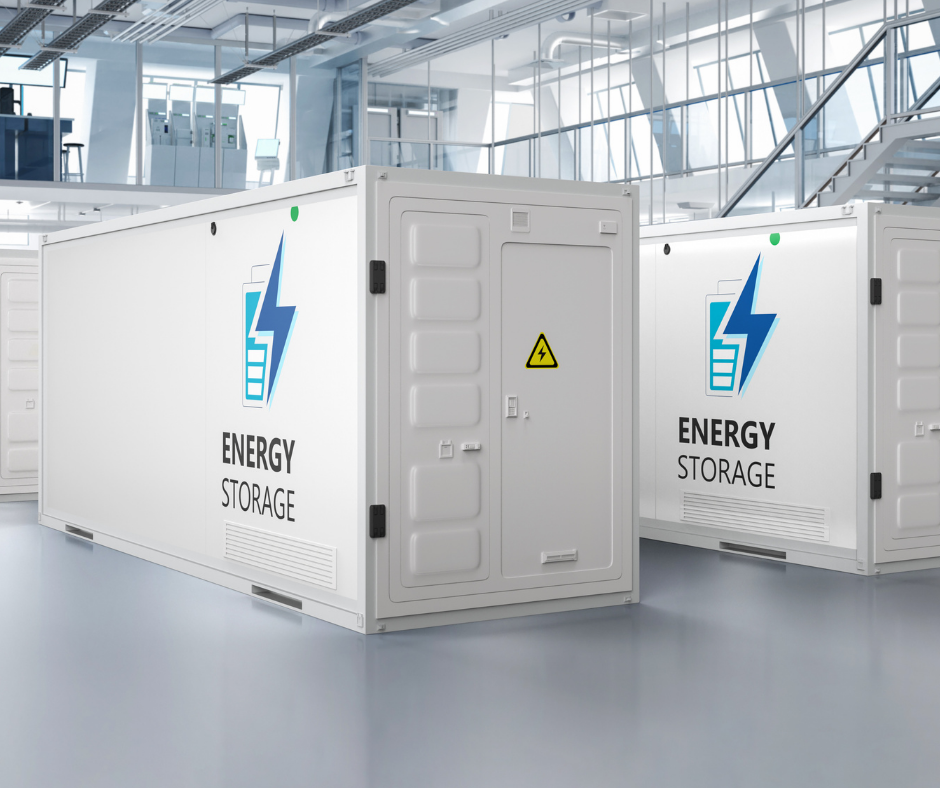
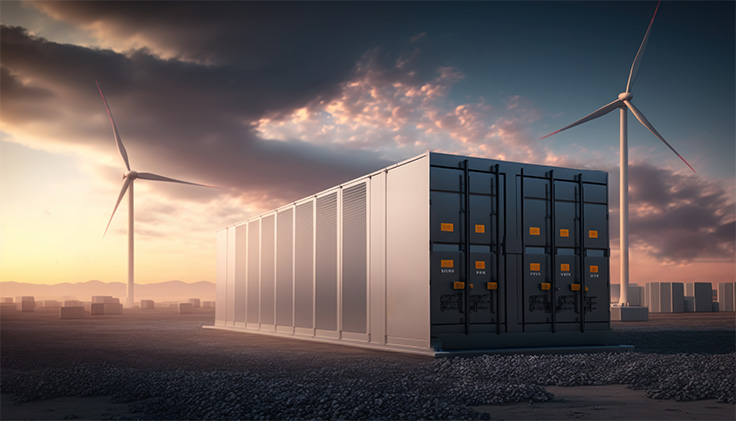
A standout example of innovation in the energy storage industry is the KSTAR KAC50DP system. KSTAR, a globally recognized leader in renewable energy solutions, has introduced hybrid inverters and modular energy storage systems that cater to both residential and commercial markets.
The KSTAR KAC50DP system, equipped with state-of-the-art LFP batteries, ensures:
- High efficiency and long cycle life,
- Modular design, allowing systems to scale based on individual needs,
- Seamless integration with solar PV installations, and
- Reliability, with robust performance proven across various installations in Europe.
Countries like Germany, the Netherlands, and Spain have already adopted KSTAR’s technologies, providing households with reliable energy solutions that align with sustainability goals. The availability of these systems through trusted distributors ensures homeowners can access proven, modern solutions without unnecessary delays.
Benefits of energy storage for European households
The advantages of home energy storage are undeniable and align closely with Europe’s energy transformation goals:
- Lower Energy Bills: By storing energy when prices are low or generating it through solar, homeowners can drastically reduce their electricity costs.
- Increased Energy Autonomy: Energy storage systems minimize reliance on the grid, ensuring power during outages or energy shortages.
- Environmental Impact: Reducing reliance on fossil fuels supports Europe’s climate objectives and contributes to a greener future.
- Smart Energy Management: Modern systems come equipped with intelligent monitoring tools, allowing homeowners to manage consumption efficiently.
The european energy storage outlook
The future of home energy storage in Europe is exceptionally bright. Reports indicate that the residential energy storage market in Europe is growing at an exponential rate. For example, the total installed capacity of home battery storage systems in Europe is expected to exceed 12 GWh by 2024, with Germany, Italy, and the UK leading this revolution.
As energy costs remain volatile and sustainability goals gain urgency, households are increasingly prioritizing solutions that offer long-term energy security. This trend reflects not only a shift in consumer behavior but also Europe’s commitment to a more decentralized, resilient energy infrastructure.
Conclusion
The adoption of home energy storage systems across Europe is more than just a passing trend—it is a necessary and strategic shift towards a sustainable, secure, and cost-effective energy future. Innovative solutions like KSTAR’s hybrid inverters and modular energy storage systems are empowering households to take control of their energy consumption, reduce costs, and contribute to a cleaner planet.
With ongoing advancements, supportive government policies, and increasing awareness, Europe is poised to become a global leader in energy storage adoption. For homeowners, now is the perfect time to invest in solutions that not only benefit their wallets but also ensure a brighter, greener tomorrow.